Label trap
The mackerel trap
Two fish sold under the same word. One is on the FDA's best list; the other is on its avoid list. The gap between them is 14 times.
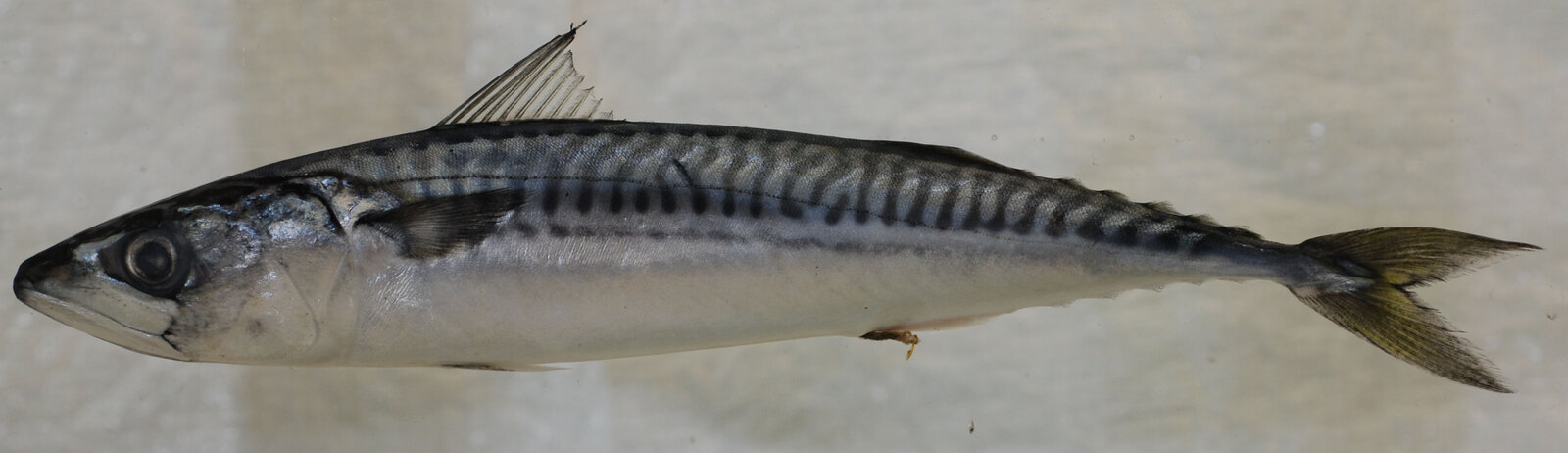
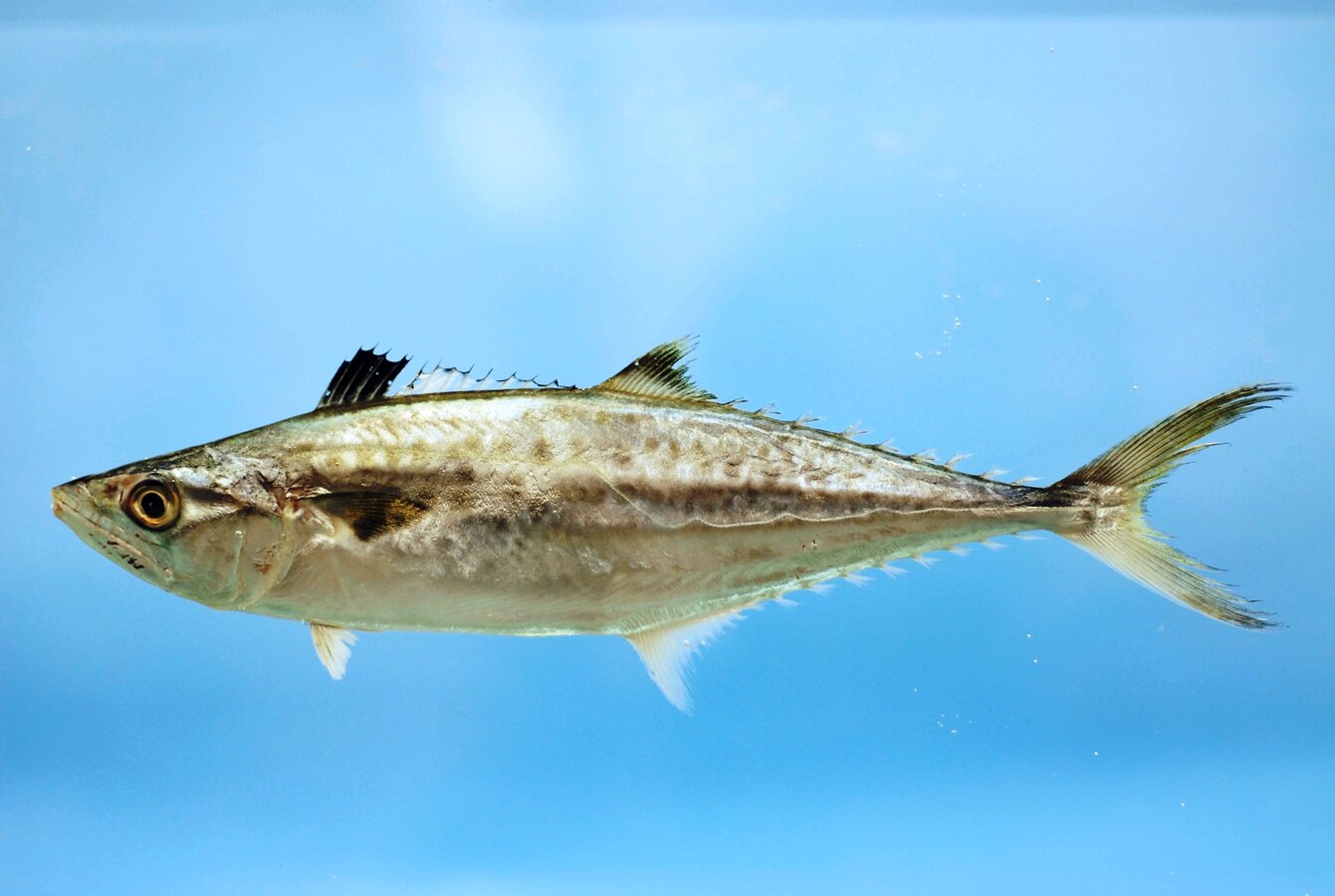
How to tell them apart
They don't even look alike once you know what to look for.
- Atlantic → small, dense wavy dark bars on the back
- King → long, slender, no bars, much larger fish
The label rarely helps — both just say "mackerel" on a menu or a smoked-fish package. The name in front of it is the whole story.
Why the difference is this big
King mackerel is a large, long-lived predator, so mercury builds up in its flesh over years. Atlantic mackerel is small and short-lived — it never accumulates much. It's the same reason sardines and anchovies are clean and swordfish isn't: size and lifespan, not the family name.
And a third one to know
Spanish mackerel sits in the middle, and it depends where it was caught.
| Mackerel | Mercury (ppm) | FDA tier |
|---|---|---|
| Atlantic mackerel | 0.050 | Best Choices |
| Pacific chub mackerel | 0.088 | Best Choices |
| Spanish mackerel (S. Atlantic) | 0.182 | Good Choices |
| Spanish mackerel (Gulf of Mexico) | 0.454 | Good Choices |
| King mackerel | 0.730 | Avoid |
Get the whole cheat sheet
Five swaps, the seven fish to limit, and the omega-3 ranking — one page, all sourced.
The Fish Cheat Sheet →Mercury values — FDA, "Mercury Levels in Commercial Fish and Shellfish (1990–2012)." Species means.
Tiers — FDA/EPA joint "Advice About Eating Fish," rev. October 2021.
Note: FDA's Atlantic mackerel figure rests on a 1978 survey and king mackerel on a 2000 Gulf report; both are older than the swordfish and shark sampling. The 14× direction is not in doubt.
Atlantic mackerel photo: Robert Aguilar / Smithsonian Environmental Research Center (CC BY 2.0). King mackerel: NOAA (public domain).