Guide · Seafood
The Fish Cheat Sheet
Which fish are worth buying, which to skip, and the label traps in between — for more omega-3s and less mercury, usually for less money. Every number is traceable to a government source, and where the evidence runs out, this guide says so.
The one rule that replaces this whole page
Small, oily, short-lived fish win on both counts. More omega-3s, less mercury. The relationship is inverse and it's been measured: across the commonly eaten species, not one is simultaneously high in mercury and high in omega-3s. If you remember nothing else, remember the shape of the fish.
The five swaps
Same aisle, same trip. The left column isn't dangerous — it's just not giving you what you're paying for.
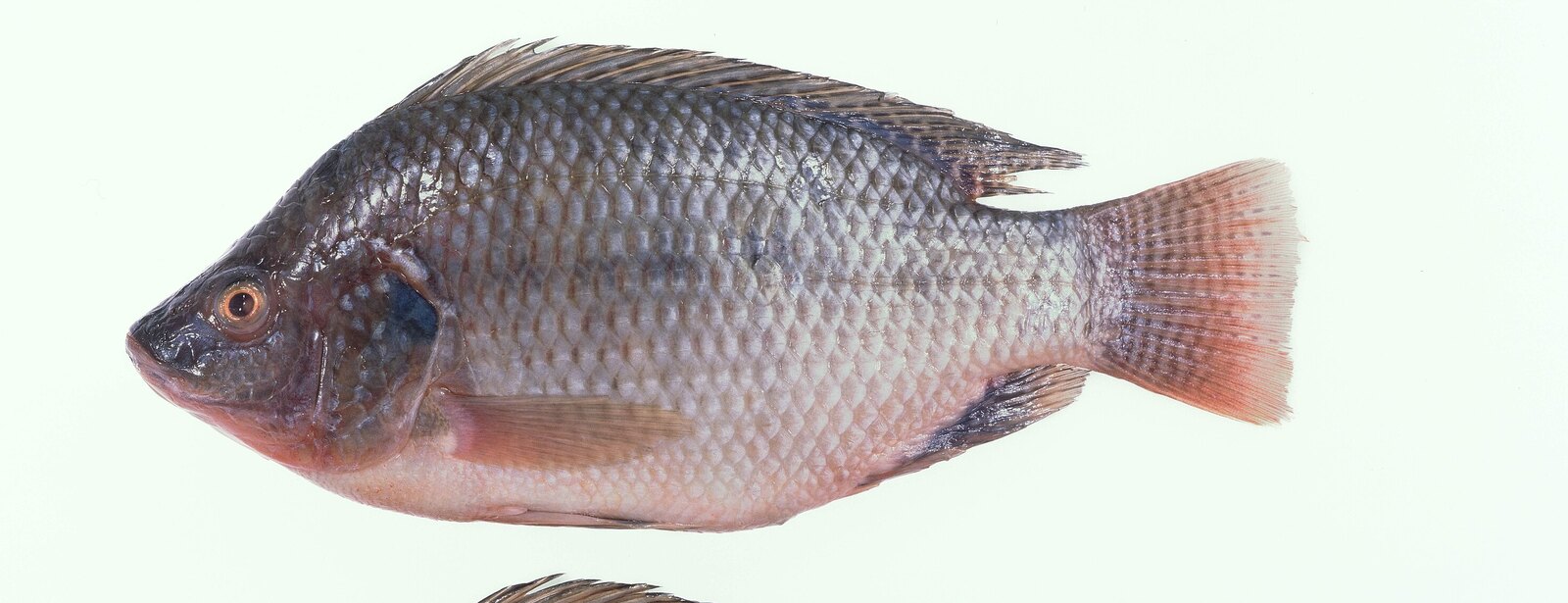
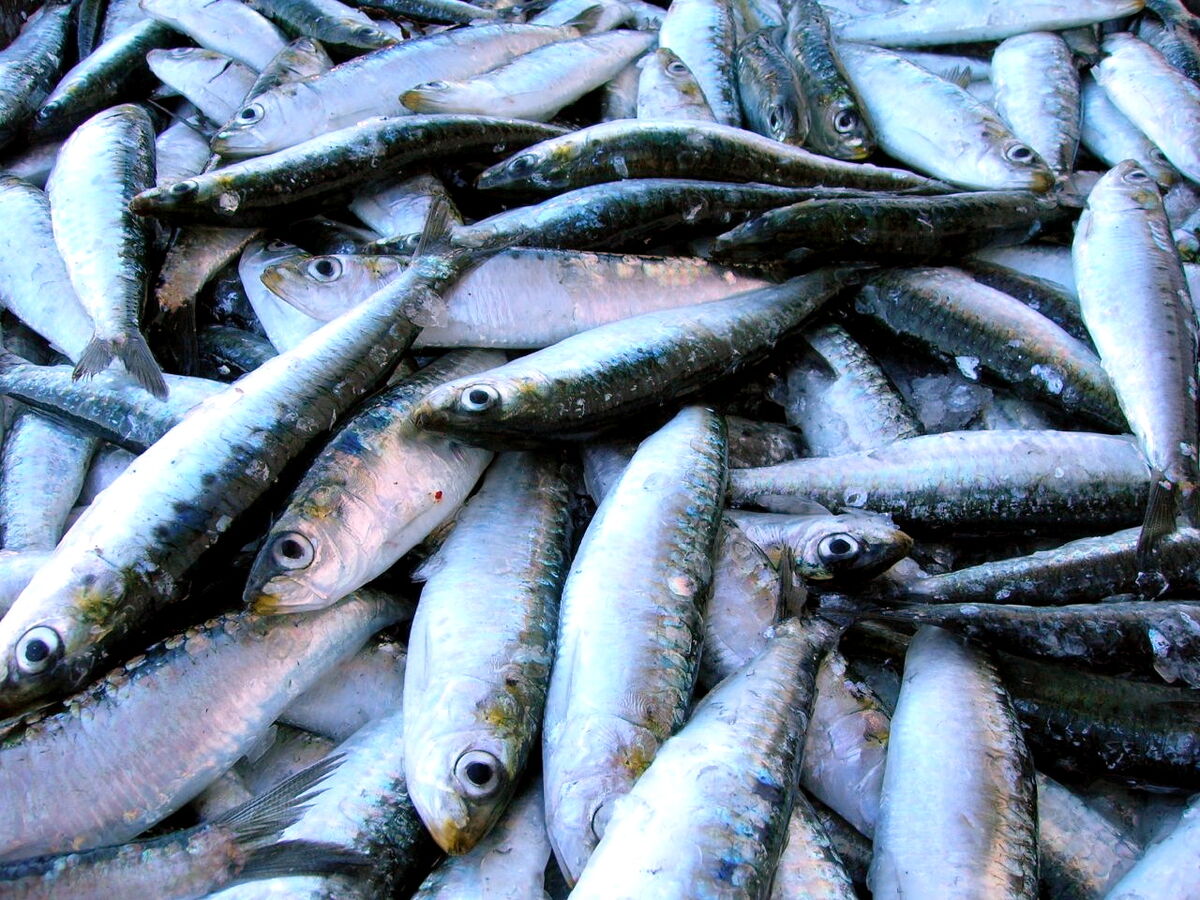
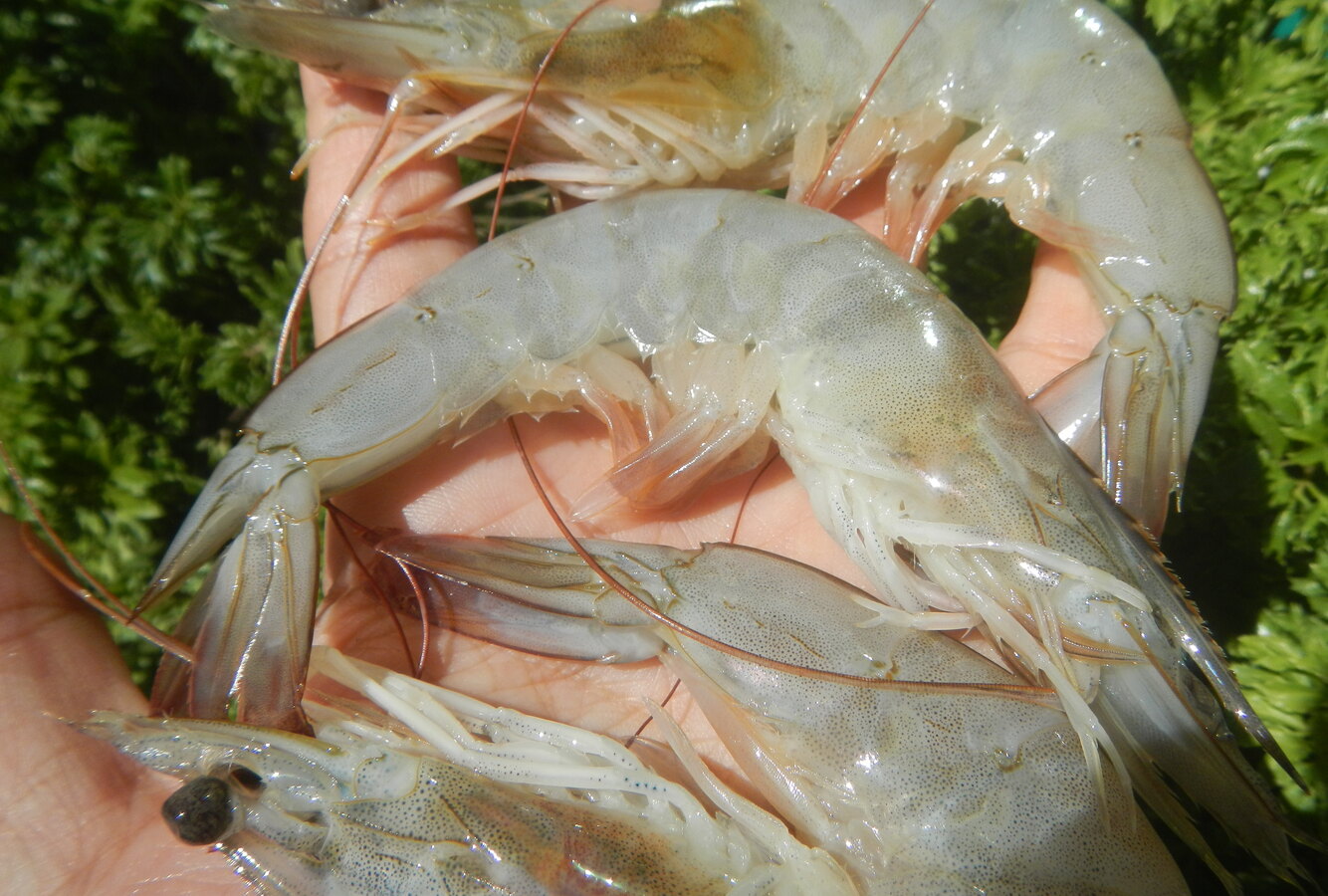
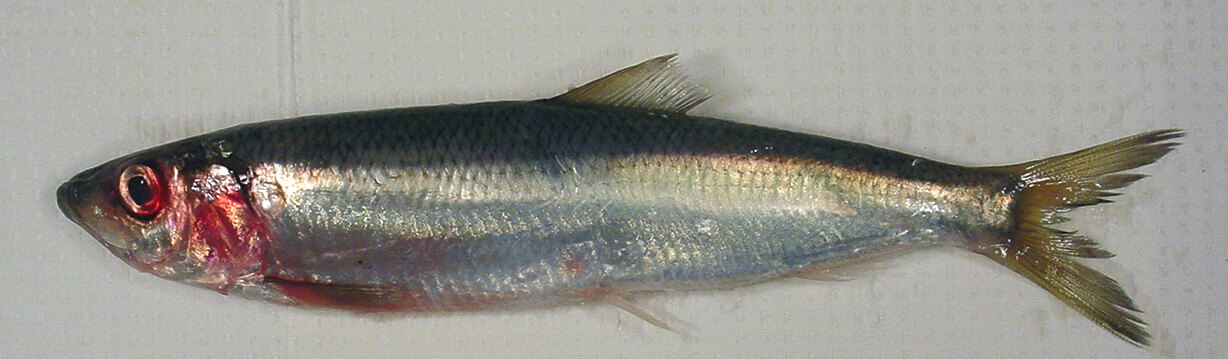
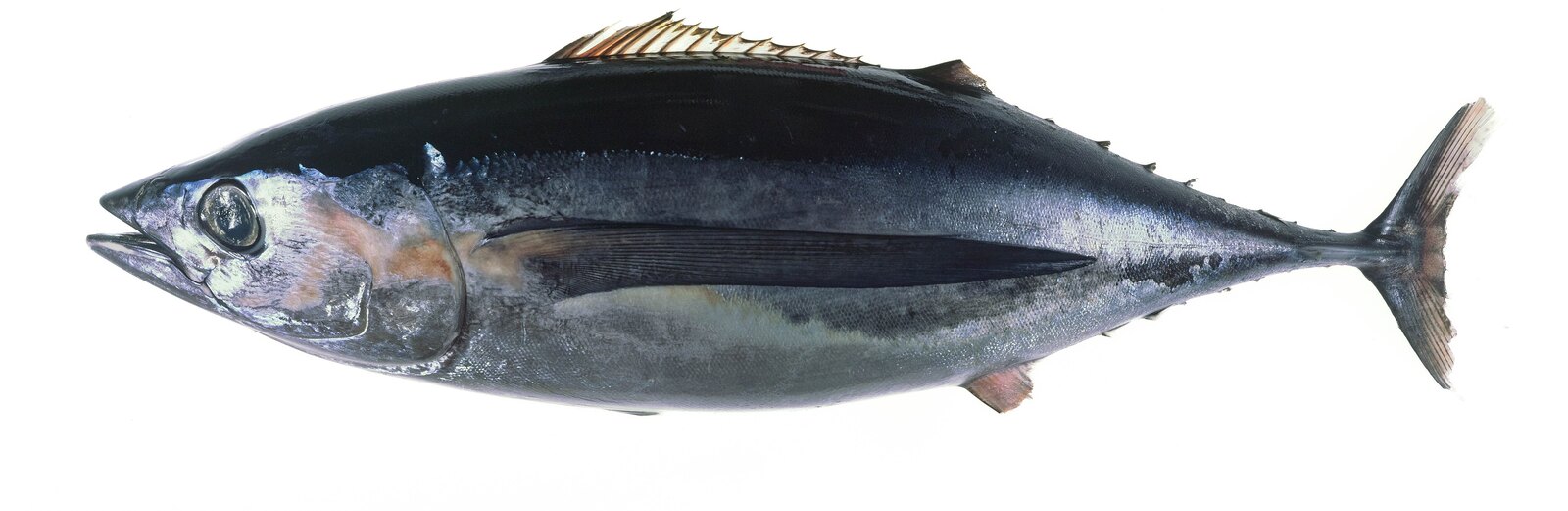
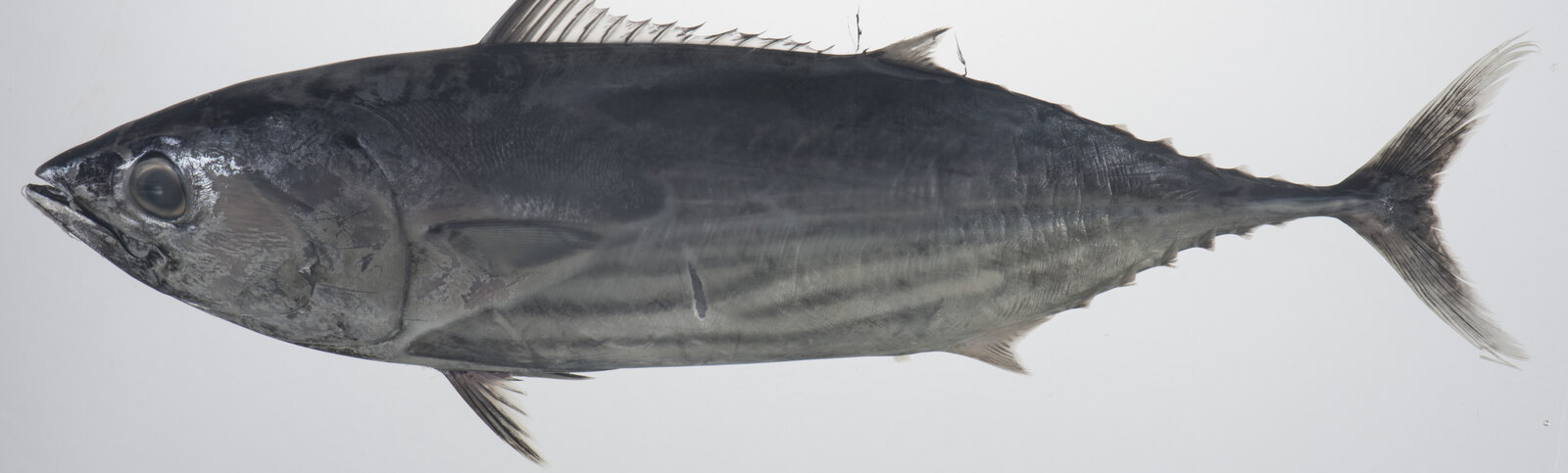
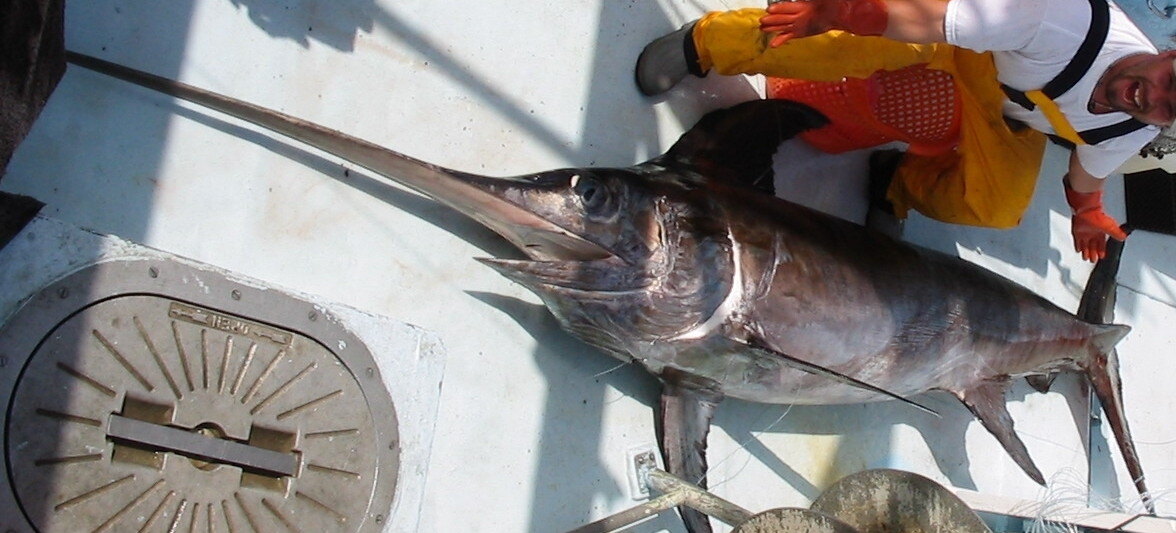
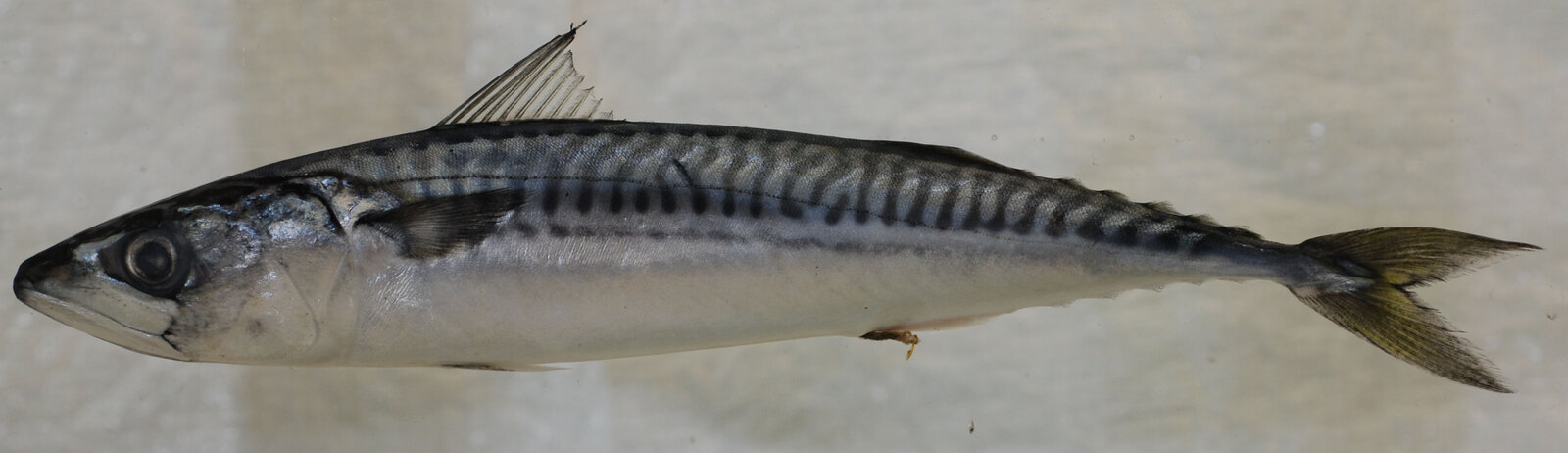
Go deeper
Each topic on its own page — one idea, its numbers, its sources.
What this guide doesn't tell you
Because the evidence didn't hold up to checking. Anyone giving you confident answers on these is guessing.
- PCBs and dioxins by species. No source survived verification. This guide ranks mercury only — that's what the FDA/EPA chart measures.
- Wild vs. farmed, species by species. Beyond salmon there's no verified comparison. "Farmed is worse" is not a general rule, and neither is the reverse.
- Mussels. They appear nowhere on the FDA/EPA chart or in FDA's mercury monitoring table. Probably fine — but nobody official has said so.
- Data age. Some FDA mercury figures are old. The Atlantic mackerel number rests on a 1978 survey and king mackerel on a 2000 Gulf report. Swordfish and shark have robust modern sampling; others vary.
- Seller testing. Not one major direct-to-consumer seafood company publishes third-party lab results for PCBs, dioxins or mercury. Certifications like MSC cover fishery management and traceability, not what's in your fillet.
Mercury values — FDA, "Mercury Levels in Commercial Fish and Shellfish (1990–2012)."
Species tiers and serving guidance — FDA/EPA joint "Advice About Eating Fish," rev. October 2021.
Omega-3 values — NIH Office of Dietary Supplements, sourced to USDA FoodData Central. Per 3 oz cooked.
Mercury / omega-3 relationship — Ginsberg & Toal, Environmental Health Perspectives, 2009, Table 2.
Organic aquaculture status — USDA National Organic Program, 7 CFR 205.2.
Omega-3 benchmark — Mozaffarian & Rimm, JAMA 2006;296(15):1885–99.
Farmed salmon omega-3 decline — Norwegian Institute of Marine Research monitoring, 6,899 fillets, 2006–2021.
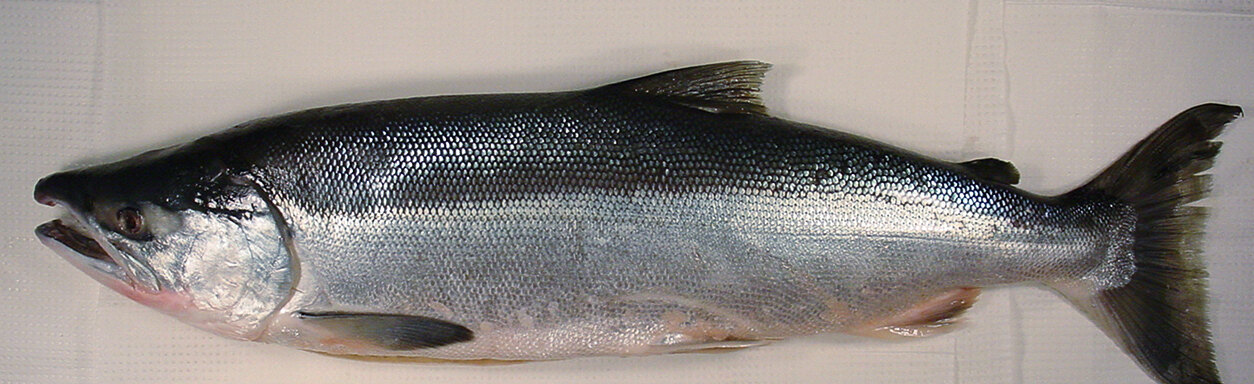
Fish photography: José Antonio Gil Martínez (CC BY 2.0); Robert Aguilar / Smithsonian Environmental Research Center (CC BY 2.0); U.S. FDA and NOAA (public domain).